MWAC Sanitation Professionals
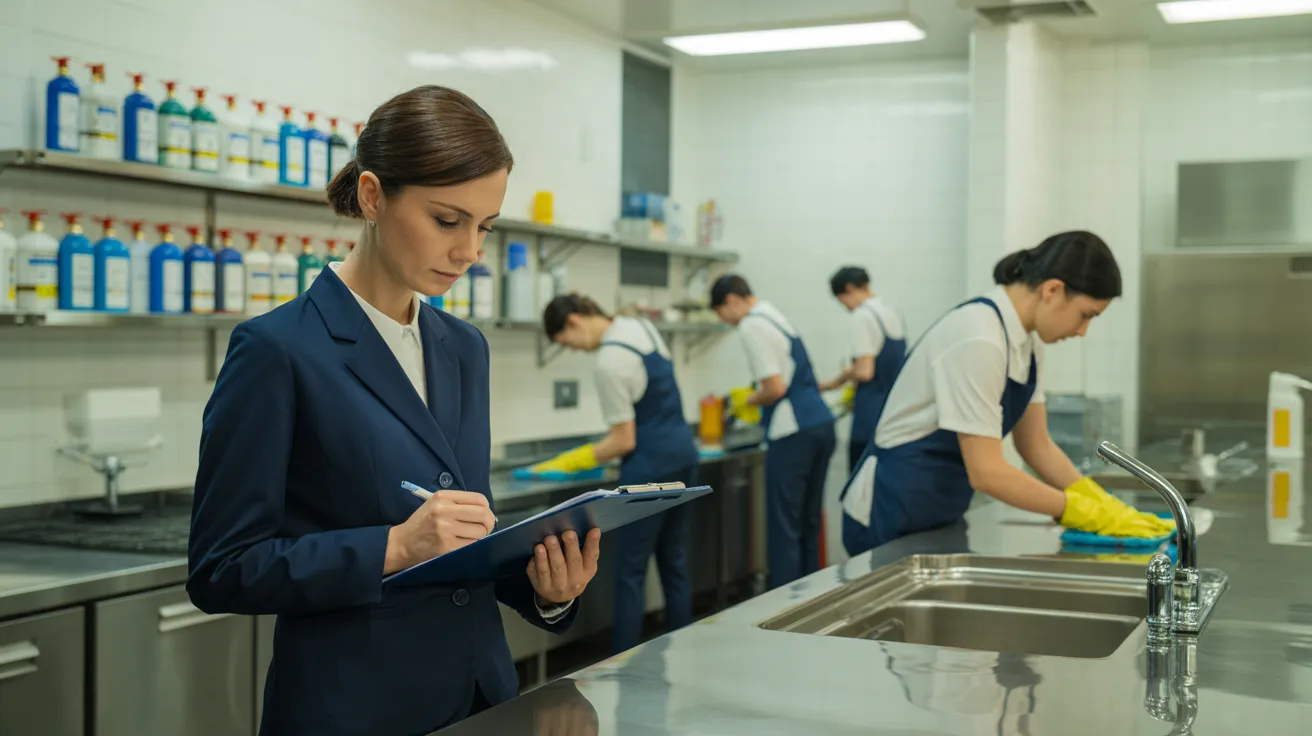
Commercial hygiene experts located in Brampton ensure food service establishments, commissaries, baking enterprises, warehouses, and food service vehicles in compliance. They disinfect frequently handled areas, food prep surfaces, equipment, floors, drains, restrooms, and preparation zones using approved sanitizers, in correct dilution, and using documented contact periods.
Important Highlights
- Food safety cleaning specialists in Brampton support restaurants, grocery departments, commissaries, warehouses, bakeries, schools, mobile vendors, and allergen-sensitive operations.
- They treat high-touch surfaces, food-contact equipment, kitchens, floors, drains, restrooms, and storage areas using zone-based workflows to avoid cross-contamination.
- Approved specialists check approved sanitizer dilution, alignment, and contact time, then document finishing with samples, audits, and action records.
- Daily, weekly, and cyclical tasks distributed by zone make up hygiene plans founded on hazard, throughput, changeovers, releases, and requirements.
- Coverage, color-coded instruments, hazard analysis knowledge, health regulatory competency, WHMIS training, endorsements, and assessment-ready sanitation paperwork are important contractor attributes.
Food Safety Cleaning Requirements for Brampton Establishments
Brampton venues that deal with, maintain, prepare, package, or provide food require food safety cleaning. Implement it if your establishment is covered by public health inspections, food codes, or HACCP requirements. The obligation covers restaurants, cafeterias, commissaries, grocery food departments, butcher shops, seafood counters, convenience stores, and institutional kitchens.
You also need adherent sanitation protocols in storage facilities, food production centers, refrigerated locations, bakery retailers, school meal programs, event venues, and food distribution hubs. Portable and seasonal businesses count too, including catering vehicles, market vendors, and seasonal stalls. If your staff handle ingredients, section prepared foods, heat finished items, or keep allergens stored, your facility needs written cleaning standards. In Brampton, sanitation isn't optional; it's part of legal, operational, and consumer protection compliance.
What Do Brampton Cleaning Professionals Handle?
Professional cleaning services specializing in Brampton sanitize touched surfaces, kitchen facilities, floors, and restrooms in compliance with food safety regulations. Emphasis on these spaces stems from extreme cross-contamination risk, injury hazards, and possible regulatory violations.
If you grasp what they sanitize, you'll be able to confirm your operation satisfies all operational and regulatory compliance needs.
High-Touch Surface Sanitizing
set how often each surface is sanitized
company recommendations and industry standards to maintain efficacy. Specialists might utilize surface swabbing to check disinfection results
Kitchens, Floors, and Restrooms
Expect Brampton cleaning experts to target kitchens, floors, and restrooms because each area carries unique food safety, accident prevention, and public health risks. In industrial kitchens, you need degreasing on cook lines, equipment exteriors, drains, prep surfaces, and splash zones to minimize bacterial growth and pest activity.
Professional floor care with documentation is also included. is also provided as part of the service.
Restroom cleaning requires decontaminating touchpoints, fixtures, partitions, dispensers, and waste containers, restocking supplies and controlling odours. They also service restaurant moprooms, where chemical storage, sink hygiene, and drainage conditions can affect sanitation compliance and staff safety daily.
Food Safety Cleaning Significance for Brampton Businesses
In Brampton, you must copyright food-safe cleaning standards to meet regulatory standards and pass inspections. You also reduce bacterial spread through proper cleaning of food-preparation surfaces, appliances, and frequently-touched items. Most importantly, you safeguard community wellness by reducing the chance of food additional info poisoning in your establishment.
Health Code Compliance
Brampton food companies must comply with stringent health requirements, so cleaning procedures is critical to adhering to health codes, ensuring the safety of customers, and avoiding penalties. You must maintain sanitary food-contact surfaces, recorded sanitation plans, appropriate product handling, and verifiable staff procedures that comply with municipal and provincial inspection expectations.
Retaining detailed hygiene logs proves due diligence for regulatory audits and confirms that your procedures are reliable, reproducible, and tracked.
Cross-Contamination Prevention
Following regulatory requirements depends on your ability to prevent cross-contamination in daily food handling and cleaning. You should isolate raw items from prepared foods, disinfect work areas after use, and store chemicals away from food-contact items. Well-defined guidelines decrease contamination chances and support consistent compliance during inspections.
Building allergen segregation prevents key allergens from reaching common workstations, storage, or apparatus. Leverage separate cutting boards, colored implements, and strict utensil labeling so staff don't mix items in cooking or serving.Mandate hand cleaning following uncooked meats, shellfish, egg items, or allergen substances. Swap wiping cloths regularly, and confirm sanitizer strength with test strips. When your team follows these practices each shift, you create a cleaner, safer operation that meets Brampton's food safety expectations consistently.
Public Health Safeguarding
Should food safety cleaning collapse, you don't simply risk a failed inspection—you expand the odds of foodborne illness impacting customers, staff, and the wider Brampton community. You also weaken your role in protecting public health, especially in busy food facilities where contamination can spread quickly through surfaces, equipment, and touchpoints.
You require cleaning protocols that eliminate soils, sanitize effectively, and confirm results. This requires following contact periods, using authorized sanitizers, logging schedules, and educating staff to meet health-unit expectations. These measures prevent pathogen control by minimizing pathogens before contaminating food or hands. Throughout Brampton, strong cleaning protects vulnerable communities, minimizes disease potential, and demonstrates accountability. When you adhere to standards, you go beyond requirements—you mitigate risk and facilitate secure food handling region-wide.
Why Is Cleaning Essential for Food Safety Compliance?
Rigorous cleaning routines ensure food safety compliance by decreasing contamination threats, preventing pathogen multiplication, and maintaining your facility's adherence to sanitation requirements under HACCP-based programs and public health regulations. You validate that food-contact surfaces are visibly clean and microbiologically controlled, backing documented preventive controls and inspection readiness.
Rigorous cleaning standards also reinforce allergen control by extracting residues that can trigger undeclared allergen exposure.
How Do You Schedule Commercial Cleaning Work?
cleaning routines or between shifts wherever food-contact areas, restrooms, and frequently touched surfaces
Plan your periodic work from standard cleaning
What Should You Look For in Brampton Cleaning Experts?
Evaluate providers first by sanitation compliance standards rather than cost. You must ensure each provider understands CFIA, public health, and HACCP requirements for your business. Request proof of insurance, WHMIS compliance, staff training documentation, and supervision methods. Check technician understanding of contamination prevention, chemical handling, and traceable sanitation records.
You should also assess operational reliability and responsibility. Request references from food facilities in Brampton, then examine response times, corrective-action procedures, and communication standards. Confirm the company participates in supplier audits and can present inspection-ready documentation when regulators or third parties request evidence. Check whether equipment is maintained is performed, color-coded implements are used appropriately, and site-specific hazards are recognized. A qualified provider protects regulatory adherence, product integrity, and your brand reputation.
What's covered in a sanitation cleaning strategy?
Create a documented strategy that clearly outlines every sanitation duty, guideline, and expectation prior to beginning production. You should document cleaning frequencies, approved chemicals, dilution rates, contact times, tools, and verification methods for each area, section, and machine. Don't forget to add pre-operational inspections, corrective actions, and employee training requirements.
Your strategy should also address cross-contamination controls, waste handling, pest-prevention measures, and documented schedules for restrooms, drains, floors, and food-contact areas. Describe how you'll keep raw and ready-to-eat processes separate, facilitate ingredient tracking, and maintain accurate allergen labeling through validated cleaning between product changes. You should assign accountability, keep signed records, and review results against regulatory standards, HACCP controls, and customer requirements. When gaps appear, modify procedures immediately and instruct staff.
Popular Inquired Questions
Will cleaning services handle overnight shifts at Brampton facilities?
If you manage controlled environments, you'll also need documentation that enable inspections and ensure compliance.
Can sanitation professionals handle hazardous incidents?
Yes, you can locate several Brampton sanitation experts offering spill containment services. They handle contamination, evaluate risks, isolate zones, and perform swift decontamination to reduce exposure and limit operational impact. You should verify response times, certifications, safety measures, and disposal methods. If your facility needs compliance, choose a service that documents incidents, maintains standards, and ensures verification.
Will plant-based disinfectants sanitize safely food-contact surfaces?
Definitely, plant-based sanitizers function safely on food-contact surfaces if you select products labeled food safe that adhere to regulatory standards. You should check exposure duration, concentration levels, and rinsing needs prior to application. Natural-based solutions decrease toxic chemical contact, but you need demonstration of efficacy against harmful bacteria. To keep surfaces residue-free, follow manufacturer directions precisely and ensure your disinfecting agent satisfies relevant food safety standards.
Do sanitation programs support seasonal variations?
Without question, cleaning schedules are highly adaptable for production fluctuations. Revise timing, labor allocation, disinfectants, and verification steps to align with operational cycles while sustaining compliance standards. Lower production interruptions by timing sanitation amid production shifts, high demand periods, and usage cycles. Additionally revise standard operating procedures, employee training, and monitoring protocols to account for transient threats, additional allergens, or elevated soil levels. Consistent reviews keep the strategy efficient.
Will professional cleaning services train employees on hygiene best practices?
Certainly, professional cleaning experts coach your staff on sanitation best practices. You secure employee development on correct chemical practices, contact times, contamination control, machine disassembly, and documentation procedures. They generally coordinate instruction with HACCP, GMP, and CFIA or regional health bodies standards. Many also run sanitation audits to verify compliance, identify gaps, and reinforce corrective actions. This helps you copyright standard processes, pass inspections, and minimize foodborne pathogen risks daily.
Final Thoughts
When you partner with Brampton commercial cleaning and food safety specialists, you don't just tidy up—you keep your operation inspection-ready and your standards above board. From kitchens to processing floors, every polished surface and maintained area helps reduce pest intrusion and prevent costly setbacks. By scheduling service at the proper frequency and following a clear cleaning plan, you protect staff, customers, and your reputation. In a strict regulatory setting, sanitary conditions aren't optional—they're fundamental to proper operations.